Estimated reading time: 7 minutes
Key Takeaways
- Traditional teaching tools are cost-effective but lack interactivity and multimedia features.
- Digital displays offer enhanced engagement, consistent brightness, and lower long-term maintenance.
- Interactive tools foster collaboration and align with evolving education technology trends.
- Future display solutions will integrate AI, AR/VR, and cloud-based collaboration for immersive learning.
Table of contents
- Introduction
- Overview of Traditional Teaching Tools
- Digital Classroom Display Solutions
- Benefits of Implementing Interactive and Digital Displays
- Examples of Innovative Classroom Display Solutions
- Impact on Student Engagement
- Future Trends in Classroom Display Solutions
- Conclusion
- FAQ
Introduction
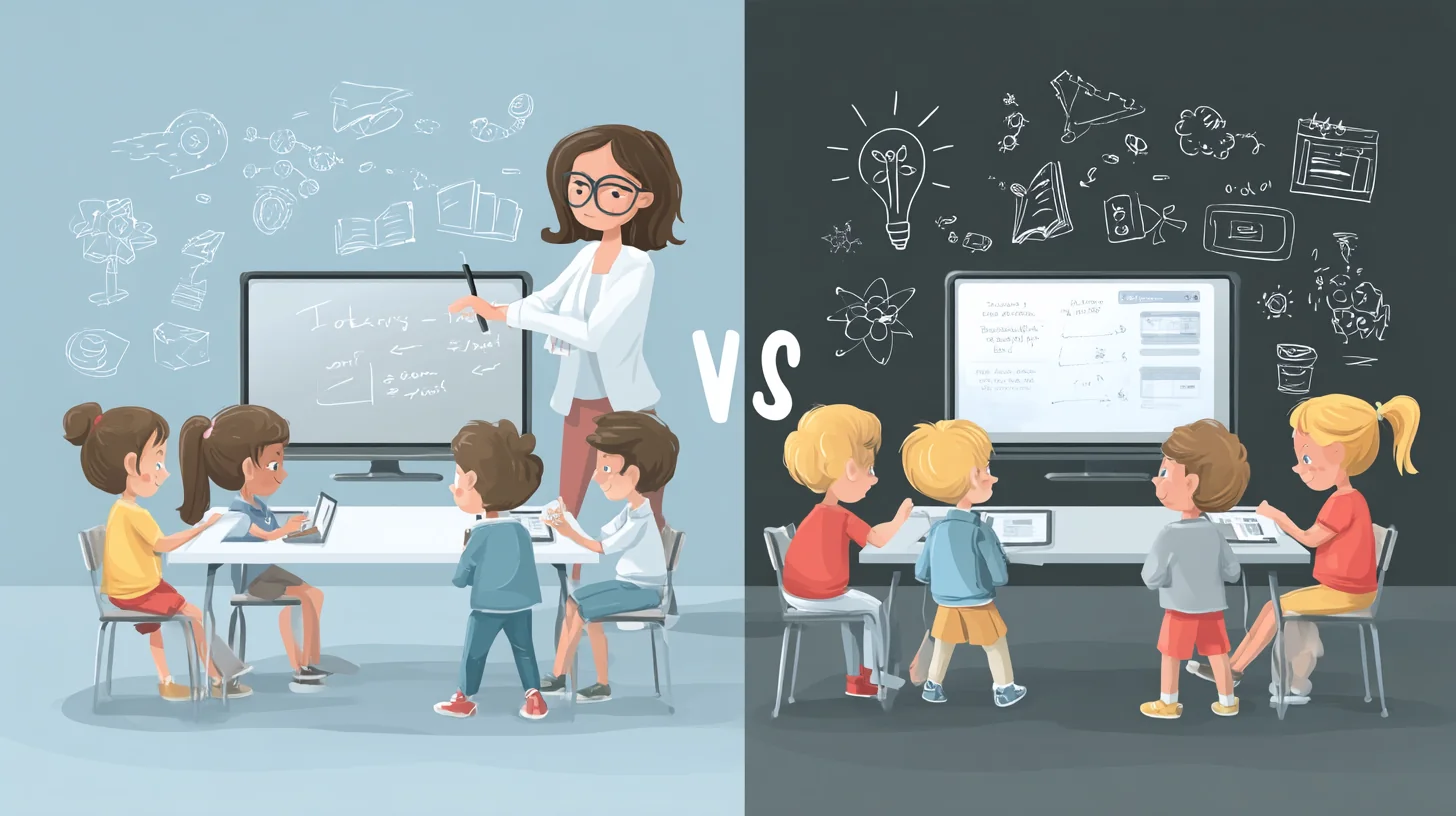
Classroom display solutions are a cornerstone of modern educational environments, encompassing a range of technologies used to present, share, and interact with content. These include traditional methods such as whiteboards and projectors, as well as modern digital tools like smart whiteboards and interactive flat panels. As teaching environments shift, there is a noticeable trend toward more interactive and digital solutions. This need for increased engagement and improved learning outcomes makes a solid comparison between digital and traditional teaching tools essential for educators and institutions.
Overview of Traditional Teaching Tools
Projector-Based Systems
Projector-based systems have long been a staple in many classrooms. However, they often require regular maintenance, including lamp replacements and calibration. These added costs in time and money can be significant. Additionally, ambient light influences image visibility, diminishing the effectiveness of lessons when lighting conditions are not ideal.
Traditional Whiteboard
Whiteboards are cost-effective and straightforward but lack the interactivity and multimedia support found in modern tools. As schools transition, these limitations emphasize the value of modern digital teaching aids in delivering engaging and efficient learning experiences.
Digital Classroom Display Solutions
The evolution to digital solutions has transformed classroom technology. Interactive Flat Panel Displays (IFPDs) offer enhanced image quality and built-in computing capabilities, eliminating the calibration and maintenance required by older tools. Brands like Promethean, SMART Technologies, BenQ, and ViewSonic feature multi-touch support, wireless screen sharing, and robust software ecosystems.
According to leading industry sources, these digital displays also maintain consistent brightness regardless of ambient conditions. Such interactive whiteboard comparison discussions highlight the growing importance of innovative classroom tools in modern education.
Read More: Building the Perfect Smart Classroom: Tools, Software, and Implementation Strategies
Benefits of Implementing Interactive and Digital Displays
- Enhanced Engagement: Multi-touch capabilities and collaborative software keep students involved. Studies have shown these tools boost participation and learning outcomes.
- Efficiency: With built-in computing and wireless connectivity, digital displays reduce the need for extra devices, making them perfect for interactive learning environments.
- Cost-Effectiveness: Although the initial investment may be higher, research demonstrates that reduced maintenance leads to long-term savings.
Examples of Innovative Classroom Display Solutions
- Promethean ActivPanel: Praised for its modular design and OS-agnostic flexibility, this display also supports a wide software ecosystem. It is celebrated in guides exploring the best smart board options.
- BenQ Board Pro: Known for exceptional picture quality and up to 40 multi-touch points, it effectively elevates interactive learning as per various analyses.
- ViewSonic ViewBoard: Offers cost-effective solutions with robust educational features and wireless presentation capabilities, making it a top pick for educators mindful of functionality and budget.
Impact on Student Engagement
Digital displays promote collaboration through multi-touch interactions and inclusive software that enable real-time group projects and peer learning. Their dynamic and interactive nature aligns with the growing demand for smart whiteboards in classrooms to create immersive, engaging learning experiences.
Read More: Top Features of Preschool Management Apps Every School Should Know
Future Trends in Classroom Display Solutions
- Integration with Emerging Technologies: AI, AR, and VR are poised to revolutionize classroom engagement through immersive educational content.
- Cloud-Based Collaboration: Tools enabling real-time lesson sharing and digital assignments support remote participation and seamless learning.
- Sustainability and Accessibility: Designs that use less energy and cater to diverse learning needs reflect rising priorities, as noted in various industry analyses.
Conclusion
When weighing digital vs. traditional teaching tools, the significance of classroom display solutions becomes clear. By increasing engagement and reducing maintenance overhead, digital displays can future-proof teaching methods. Educators seeking insight can consult resources on smart classroom solutions in India or explore preschool management apps. Staying current with education technology trends and adopting innovative classroom tools will help institutions remain at the forefront of educational excellence.
FAQ
They often require a larger upfront investment, but reduced maintenance costs and improved functionality can make them more cost-effective over time.
Many schools start with partial upgrades, implementing interactive displays in select classrooms. This approach allows educators to evaluate results and scale accordingly.
Basic orientation is recommended to maximize interactive features. Most modern solutions are user-friendly, and many manufacturers provide free or low-cost training resources.
