Estimated reading time: 7 minutes
Key Takeaways
- Integrating game-like elements, such as points and rewards, significantly boosts motivation and engagement.
- Gamification supports cognitive, social, and emotional growth in early learners.
- Transforming routine tasks into fun challenges fosters a lifelong love of learning.
- Personalized games cater to diverse learning styles, enriching the preschool experience.
- Combining digital tools with physical play delivers balanced and inclusive education.
Table of contents
- Introduction
- Understanding Gamification and Its Role in Modern Education
- Benefits of Incorporating Gamification in Preschool Environments
- Examples of Preschool Educational Games Utilizing Gamification Elements
- Impact of Gamification on Engagement and Learning Outcomes
- Practical Steps to Integrate Gamification in Preschool Curriculums
- Conclusion
- FAQ
Introduction
In today’s fast-paced world, engaging children in their early learning stages presents a unique challenge. This blog post explores the transformative role of gamification in preschool education, illustrating how game-like elements can enhance Early Childhood Learning, foster Engagement, and promote Preschool Educational Games to make learning fun.
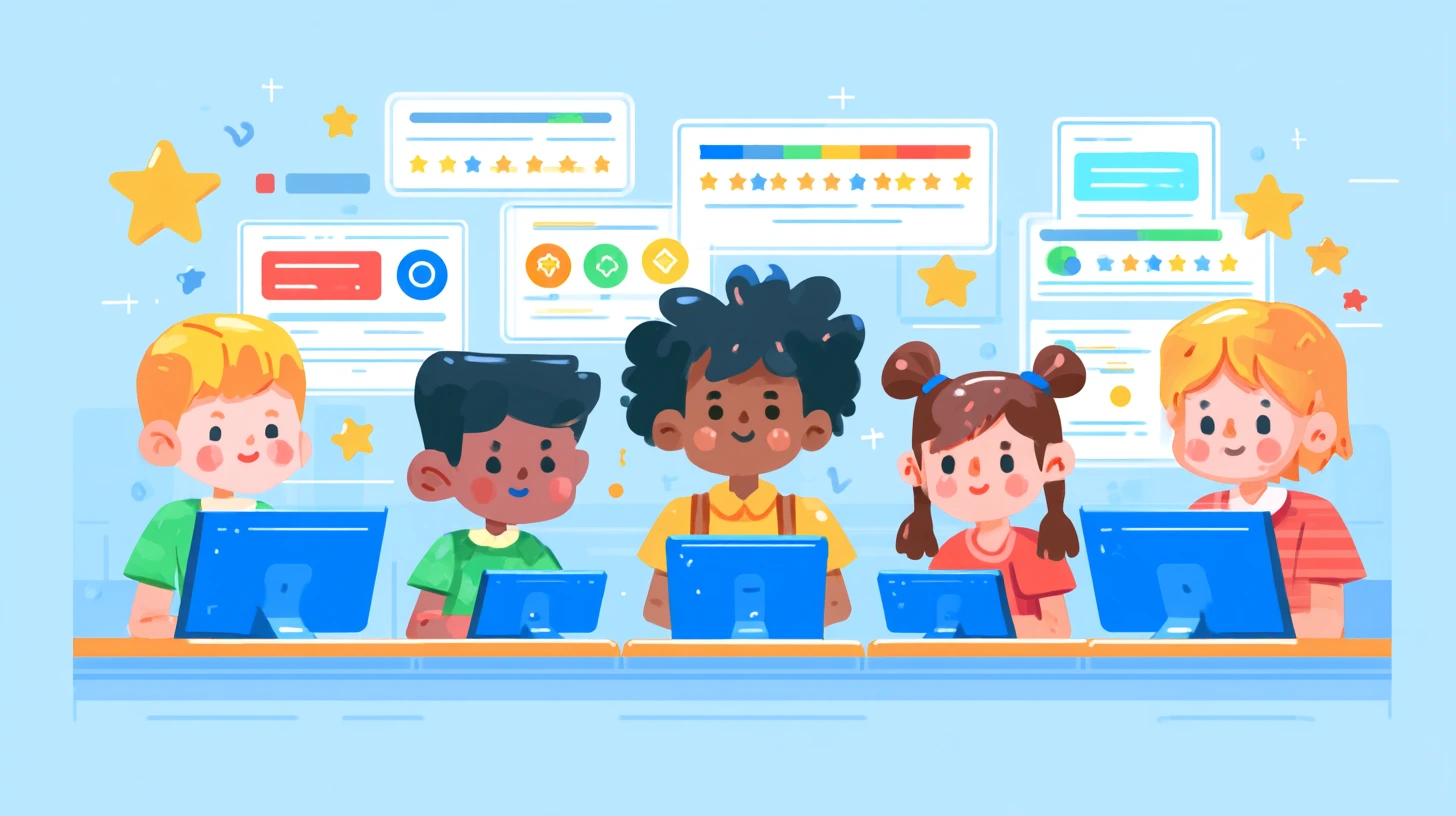
Gamification refers to the integration of game-based mechanics—such as points, rewards, and challenges—into real-life contexts like education. Research demonstrates significant improvements in child engagement when gamification is properly implemented, turning traditional activities into interactive experiences.
This blog will also showcase how teachers can use Preschool Educational Games to further Engagement and positive learning outcomes. To learn more about how digital tools can enhance early learning, explore our insights on interactive preschool LMS.
Read More: Digital Preschool Management Platforms: Revolutionizing Early Education with AI
Understanding Gamification and Its Role in Modern Education
Gamification involves the strategic integration of points, rewards, playful competition, and feedback systems to capture attention and enhance educational experiences. In preschool education, children naturally learn through play, and gamification leverages this innate inclination to enrich learning activities.
The approach addresses the limitations of conventional preschool instruction, which can sometimes be repetitive or uninspiring, and transforms it into a captivating journey towards knowledge. Integrating these game-like mechanics fosters Engagement and enhances Early Childhood Learning, making education an exciting and enjoyable adventure for young minds.
Discover more about the importance of play with our article on early childhood learning.
Benefits of Incorporating Gamification in Preschool Environments
Increased Motivation and Engagement
When learning activities are presented as games, children maintain focus longer and participate more eagerly. Studies indicate that gamification improves retention rates by 75% across educational settings, showcasing the powerful role of game mechanics in increasing attention spans and deepening involvement. Check out our blog on gamified learning for preschool to see how interactive games can transform early education.
Fostering a Love of Learning
Game-like learning environments cultivate a lifelong positive attitude toward education. By making education enjoyable, gamification nurtures curiosity and enthusiasm, leading children to view learning as an exciting venture rather than a chore. Educational specialists have documented measurable increases in learning retention across multiple studies. Dive deeper into fostering a love of learning with our article on preschool and kindergarten learning games.
Enhanced Problem-Solving and Critical Thinking
Game-based challenges are key to fostering creativity, resilience, and improved cognitive development. These challenges encourage children to be creative thinkers and problem solvers. Leading educators report enhanced social-emotional learning outcomes in their classrooms when such techniques are employed.
Cognitive, Social, and Emotional Development
Systematic reviews indicate moderate to significant improvements in children’s memory, cooperation, and emotional regulation through gamified learning. This holistic development supports not only cognitive growth but also social skills such as communication and emotional intelligence.
Tailored Learning
Games designed for educational purposes can adapt to different learning styles, whether visual, auditory, or kinesthetic, ensuring inclusivity. This adaptability helps cater to individual needs, making learning more accessible and personalized.
Read More: How Cloud-Based Preschool Software Saves Time and Cost
Examples of Preschool Educational Games Utilizing Gamification Elements
Point-Based Counting Games
In these games, children earn points for each correct answer in a counting exercise, boosting motivation and engagement. Such point-based systems are instrumental in promoting active participation.
Alphabet Scavenger Hunt
By turning letter recognition into a search-and-find game, learning becomes an exciting and engaging experience. This imaginative approach captures children’s interest and reinforces literacy skills.
Sorting Games
Children group objects by color, shape, or size in sorting games, fostering critical thinking and categorization skills. These foundational activities enhance cognitive processes through playful competition.
Timed Cleanup Challenges
Routine tasks, like tidying up, become fun competitions with rewards or praise for swift and efficient completion. By introducing elements of challenge and teamwork, mundane activities are transformed into opportunities for collaboration.
Digital Mini Games and Educational Apps
Interactive digital formats designed specifically for preschoolers offer tailored cognitive and motor skill development. These apps provide an excellent blend of technology and learning, promoting varied skills and adaptability. For a guide on top interactive apps for early learning, see our detailed list of educational apps.
Impact of Gamification on Engagement and Learning Outcomes
Increased Engagement and Motivation
Meta-analysis findings reveal moderate to large improvements in children’s motivation and engagement through game-based learning. According to research, gamification can reduce training time by up to 50% while maintaining effectiveness in learning outcomes.
Improved Skill Development
There are measurable gains across domains, including math, literacy, collaboration, creativity, and perseverance, when games are implemented effectively. This development underscores the importance of thoughtful game design in fostering comprehensive educational growth.
Collaboration and Emotional Well-Being
Gamified activities promote teamwork and empathy, nurturing emotional growth. The structured nature of these games supports emotional expression and cooperative learning, critical components of early childhood education.
Practical Steps to Integrate Gamification in Preschool Curriculums
Transform Routine Activities
Everyday tasks can be presented as games with clear goals, challenges, and rewards to boost enjoyment and participation. Transformations like these encourage children to engage fully in learning processes.
Select or Design Age-Appropriate Games
Ensure games match the developmental stage and learning objectives of preschoolers by emphasizing simplicity and safety. Tools and guidelines for crafting these experiences are vital for success.
Incorporate Immediate Feedback
Using praise, points, digital badges, and other forms of instant reinforcement aids in reinforcing positive achievements. Immediate feedback plays a crucial role in maintaining motivation and reinforcing learning.
Balance Digital and Physical Play
By combining digital educational apps with physical games, educators can cater to diverse learning styles and preferences. A balanced approach promotes inclusivity and variety.
Track and Document Progress
Utilize management systems or observation logs to monitor growth and adjust gamified activities. Leveraging tools like educational software for preschools and early learning management systems streamlines documentation processes, supporting teachers and parents alike.
Conclusion
In summary, Gamification in Preschool Learning provides a dynamic and fun educational framework that enhances motivation, cognitive development, and Engagement, effectively Making Education Fun for Kids. Aligning with Early Childhood Learning goals and incorporating a wide range of Preschool Educational Games, teachers and parents can ensure a positive foundation for lifelong learning.
By adopting gamification techniques, educators can substantially improve the educational experiences and outcomes for young children, fostering enduring curiosity and enthusiasm for knowledge exploration.
FAQ
Gamification is the application of game-like elements and principles—such as points, rewards, and challenges—to everyday learning activities. This strategy transforms traditional educational tasks into interactive and engaging experiences specifically tailored to preschoolers.
Engagement is crucial because children learn best when they are actively involved. By capturing a child’s curiosity and interest, gamification strategies boost motivation, foster problem-solving skills, and encourage creativity from a young age.
Combining interactive apps, virtual games, and traditional hands-on activities creates a holistic learning environment. This blend caters to diverse learning styles and keeps preschoolers stimulated and excited about exploring new concepts.
