Estimated reading time: 6 minutes
Key Takeaways
- Interactive apps for young children foster play-based learning, language, and motor skills.
- Top preschool apps include ad-free, safe environments and track educational progress.
- Parents should choose apps that align with developmental milestones and screen time guidelines.
- Balance digital learning with offline activities for holistic growth.
Table of contents
- Why Focus on Interactive Apps for Early Childhood Learning
- Top Interactive Apps for Early Childhood Learning
- Key Features to Look for in Apps for 3-5 Year Olds
- Types of Learning Games & Home Integration Strategies
- Effectiveness for Cognitive & Motor Skill Development
- Parent’s Guide to Selecting the Right App
- Conclusion
Why Focus on Interactive Apps for Early Childhood Learning
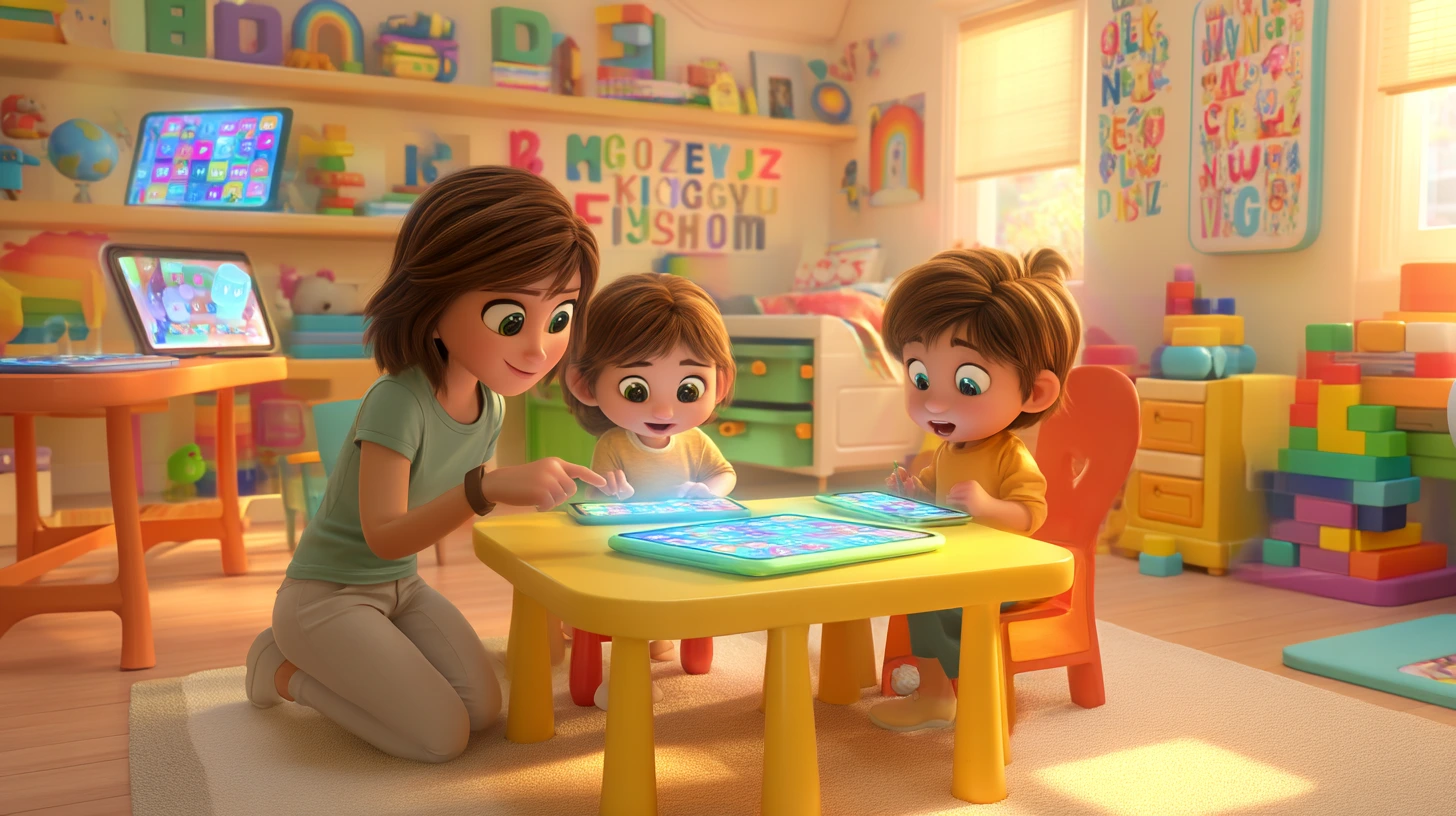
Parents seeking engaging, interactive apps for early childhood learning often face a sea of options, making it challenging to choose the right ones. With the increasing trend of digital learning, finding effective home-based tools for fun learning games for 3-5 year olds is a priority. In this blog, we will explore the best educational games for preschoolers, highlight their key features, and offer tips for integrating learning activities for toddlers at home.
Interactive apps for early childhood learning can greatly reinforce play-based learning, language skills, and motor development. In today’s digital age, there’s a growing demand for effective learning activities for toddlers at home. Many parents and educators rely on apps endorsed by child development experts, emphasizing their credibility and utility. Notably, these apps offer structured learning experiences promoted in various expert sources.
Top Interactive Apps for Early Childhood Learning
Here are some top interactive apps known for their educational benefits:
- Khan Academy Kids – Focuses on early literacy, math, problem-solving, and social-emotional skills. Offers progress reports for parents. Learn more here.
- Lingokids – Provides over 1,600 activities, including games, songs, and books for language and math, in a safe, ad-free environment. Discover its features.
- PBS Kids Games
Features familiar characters teaching science, math, and reading without ads or in-app purchases. See details. - Lunesia – Uses a unique emotional intelligence approach, making kids the story’s main character to build empathy and resilience. Explore more.
- Starfall – Teaches reading and math with a phonics-first approach in a clear, progressive manner. Find out how.
- Endless Alphabet – Engages kids with interactive word puzzles and playful animations to build vocabulary. Read more.
- Sago Mini World – Offers exploration-based games encouraging creative play and motor skills in a whimsical environment. Check it out.
- BubbleBud Kids – Combines fun learning games with AI-powered assessments to build early literacy, numeracy, and problem-solving skills. Parents can track progress through the connected Eduverse app. Discover more.
All of these apps are celebrated as the best educational games for preschoolers and provide fun learning games for 3-5 year olds.
Key Features to Look for in Apps for 3-5 Year Olds
When selecting apps, consider these essential features:
- Play-Based Learning: Look for activities like puzzles and quizzes that are adaptable to a child’s attention span. Explore why this matters.
- Safe, Ad-Free Environment: Choose apps that ensure uninterrupted engagement without ads. Learn more about safe environments.
- Developmental Adaptivity: Ensure the app matches developmental milestones with appropriate feedback. Understand its importance.
- Progress Tracking: Features that allow parents to track learning progress are crucial. Find out why.
- Rich Skill Coverage: The best apps combine skills like literacy, numeracy, and problem-solving. Discover more.
- Parental Controls: Allows for customization and engaging content exploration with your child. See why they help.
These features align perfectly with fun learning games for 3-5 year olds, ensuring holistic growth.
Types of Learning Games & Home Integration Strategies
Various learning games are available for preschoolers, such as:
- Letter & Number Recognition: Apps like Endless Alphabet, Starfall, and Khan Academy Kids are excellent.
- Story-Based Emotional Learning: Lunesia and PBS Kids Games provide compelling story-based experiences.
- Creative Play & Motor Skills: Sago Mini World and Monkey Preschool Fix It support fine motor development. Learn about their benefits.
- Math Puzzles & Logic Games: Lingokids and Khan Academy Kids offer engaging math challenges.
To integrate these games at home, consider these strategies:
- Schedule short sessions during daily routines.
- Use multiplayer family challenges for interactive bonding.
- Encourage discussions about what your child learned from the app session.
Effectiveness for Cognitive & Motor Skill Development
Research-backed apps like Khan Academy Kids, Lingokids, and Starfall demonstrate significant improvement in early literacy, math, memory, and problem-solving skills. Discover more about these benefits. Sago Mini World and Endless Alphabet enhance fine motor skills through creative game elements. Explore their features. Apps like Lunesia are effective in developing emotional regulation, empathy, and social skills, crucial for school readiness.
Parent’s Guide to Selecting the Right App
When choosing an app, consider the following steps:
- Identify your child’s interests and select appropriate content.
- Define developmental goals for key skills like literacy or numeracy.
- Test free versions or demos for age-appropriate design and parental dashboards.
- Choose apps that evolve with new content regularly.
- Confirm recommendations with specialists and balance screen time with offline activities.
By choosing interactive, ad-free, play-based apps, parents can confidently support home-based learning, promoting holistic development.
Conclusion
Interactive apps for early childhood learning are invaluable resources for preschoolers’ home development. The best educational games for preschoolers offer significant benefits when chosen thoughtfully, blending fun learning games for 3-5 year olds into everyday routines. Parents are encouraged to explore recommended apps, ensuring a balanced approach between digital and offline learning experiences.
FAQ
Some popular options include Khan Academy Kids, Lingokids, PBS Kids Games, Lunesia, Starfall, Endless Alphabet, and Sago Mini World. They focus on early literacy, numeracy, emotional development, and more.
Play-based learning integrates fun activities like puzzles and quizzes with key developmental concepts, helping children stay engaged and retain information effectively.
Parents should consider their child’s interests, confirm age-appropriate content, test demo versions, and look for progress tracking features and child-safe environments.
Yes, when used appropriately. Short, guided sessions with interactive content can enhance cognitive, language, and motor skills while fostering creativity and curiosity.
