Estimated reading time: 7 minutes
Key Takeaways
- Gamified learning leverages game-design principles to engage preschoolers and enhance motivation.
- Interactive, play-based methodologies encourage cognitive, social, and emotional development.
- Adaptive approaches allow every child to progress at their own pace in a supportive environment.
- Integrating digital and physical activities caters to diverse learning styles.
- Proper planning, educator training, and inclusivity are crucial for successful implementation.
Table of contents
- Introduction
- Overview of Gamified Learning Methodologies for Preschoolers
- Play-Based Learning vs. Traditional Learning
- Benefits of Gamification in Early Education and Childhood Development
- Examples of Interactive Games That Aid Preschool Learning
- How to Implement Gamified Learning Effectively in Preschools
- Challenges and Considerations
- Conclusion
- FAQ
Introduction
Welcome to an exploration of gamified learning for preschool, where we delve into how game-design principles can transform early childhood education into a more engaging and effective experience. By incorporating interactive learning games for kids and embracing preschool learning through play, this approach offers a refreshing departure from traditional methods, setting the stage for numerous educational benefits.Overview of Gamified Learning Methodologies for Preschoolers
Gamification integrates elements like points, rewards, levels, storytelling, and interactive tasks to create an engaging educational experience. This method, used in both physical settings through movement-based games and digitally through technology-adaptive applications, is designed to captivate young learners’ attention and enhance their motivation. Adaptive gamification is particularly noteworthy, as it adjusts difficulty in real time, ensuring that each child can progress at their own pace, an essential component of preschool learning through play. Gamification in education methodologies are increasingly gaining traction as educators recognize the potential for significant improvements in child engagement and learning outcomes. These methodologies not only make learning fun but also provide a solid foundation for developing critical skills during early childhood education.Play-Based Learning vs. Traditional Learning
| Play-Based / Gamified Learning | Traditional Learning |
|---|---|
| Emphasizes active, hands-on engagement | Emphasizes passive reception |
| Uses games, stories, and collaboration | Relies on worksheets and memorization |
| Promotes motivation, engagement, and social skills | Focuses on academic achievement scores |
| Adapts to child’s pace and interests | Less responsive to individual needs |
| Fosters emotional regulation and reduces anxiety | Can induce stress for some children |
The table above highlights the fundamental differences between play-based, gamified learning and traditional educational methods. Gamified learning leverages the benefits of play-based learning vs traditional learning to create a more supportive and dynamic environment for young learners, leading to reduced anxiety and higher engagement.
Benefits of Gamification in Early Education and Childhood Development
Gamification offers several impressive benefits across different developmental domains:- Cognitive Development: Game-based learning is linked to improvements in problem-solving, memory, and attention. Engaging with interactive tasks helps children develop these cognitive skills in a stimulating environment.
- Social Skills: Group games foster cooperation and enhance communication skills, as children work together to achieve common goals, learning to navigate social interactions effectively.
- Emotional Benefits: By creating a safe space for exploration and mistakes, gamified learning reduces stress and anxiety, promoting a healthy trial-and-error approach to learning.
- Motivation and Engagement: The use of points, levels, and immediate feedback sustains children’s interest and participation in educational activities.
- Inclusivity: Adaptive learning speeds cater to diverse learners, allowing children with varying abilities to learn together and benefit from the same classroom environment.
Examples of Interactive Games That Aid Preschool Learning
To harness the full potential of gamified learning, here are some examples of interactive games that aid in preschool education:- Movement Games: Engaging children in family-based exercise activities or group challenges promotes physical health and collaboration. These games often use team goals and rewards to motivate participation.
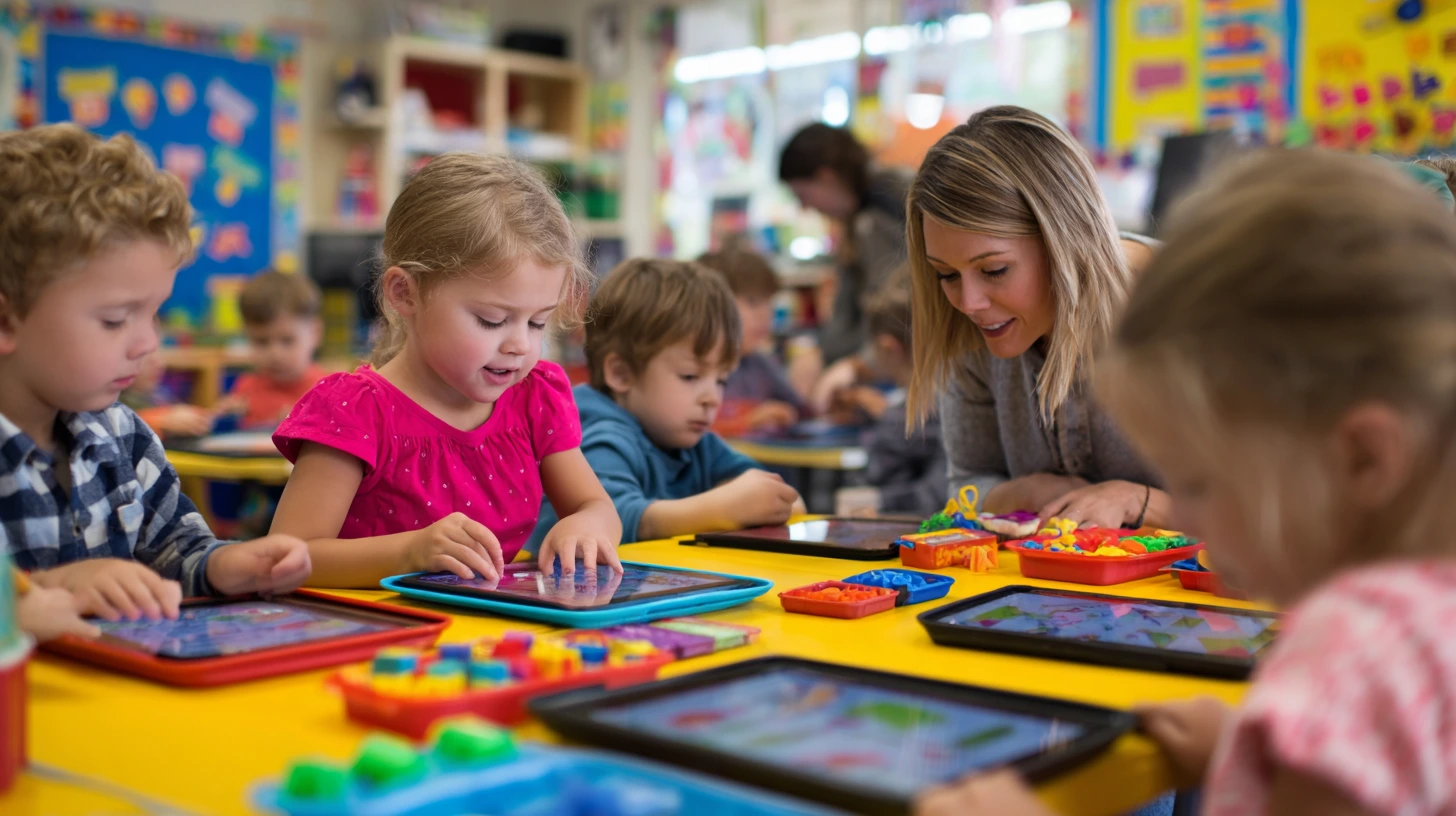
- Digital Games: Tablet or computer-based programs designed specifically for preschoolers adjust in difficulty as the child progresses, ensuring optimal challenges at every stage of development.
- Role-play and Storytelling: These activities encourage children to engage in narrative-driven tasks, fostering empathy, language development, and teamwork as they assume different roles and solve problems creatively.
How to Implement Gamified Learning Effectively in Preschools
Implementing gamified learning in preschools requires careful planning and execution:- Curriculum Alignment: Ensure that learning objectives align with core educational milestones, maintaining a focus on developmental goals.
- Multi-Modal Approach: Combine digital and physical solutions to cater to different learner preferences, providing varied and engaging experiences for children.
- Educator Training: Invest in professional development for teachers to effectively structure and oversee gamified activities, promoting success in implementation.
- Inclusivity and Adaptability: Select games that offer multiple levels or engagement types to accommodate individual learning needs and preferences.
- Foster a Supportive Culture: Encourage a classroom environment that values exploration, collaboration, and positive reinforcement over competition.
Challenges and Considerations
While gamified learning offers many advantages, there are challenges and considerations to keep in mind:- Long-Term Impact: More extensive research is needed to confirm the long-term benefits of gamification on future academic achievement and its sustained impact.
- Pedagogical Foundation: Successful gamification relies on strong instructional design and continuous support from educators, rather than solely on technology.
