Estimated reading time: 8 minutes
Key Takeaways
- Early childhood education (ECE) focuses on children from birth to age eight, laying a strong developmental foundation.
- Holistic learning environments foster cognitive, physical, social, and emotional growth.
- Varied program structures—from play-based to Montessori—support diverse learning styles.
- Global initiatives recognize ECE as a crucial stepping stone toward long-term educational success.
- High-quality ECE programs enhance academic readiness, social skills, and lifelong well-being.
Table of contents
- Introduction
- Key Aspects of Early Childhood Education
- Modern Relevance and Importance
- Historical and Global Perspective
- Essential Functions of ECE Programs
- Conclusion
- FAQ
Introduction
Early childhood education is a term that often stirs curiosity and excitement among educators, parents, and policymakers alike. But what exactly is it? In this blog post, we explore the intriguing world of early childhood education (ECE), uncovering its significance, structure, and global impact.
ECE is the field dedicated to teaching and nurturing children from birth up to approximately eight years old, encompassing infants, toddlers, preschoolers, and early elementary school students [1] [2] [3]. Frequently, ECE is most closely associated with the years before kindergarten (birth to age five), but the formal definition extends through third grade [3].
Key Aspects of Early Childhood Education
Developmental Focus
ECE addresses cognitive, physical, social, and emotional development [5] by offering formal and informal learning experiences tailored to different developmental stages. These experiences ensure children receive a balanced, holistic education [1] [2] [4] [3].
Learning Environments
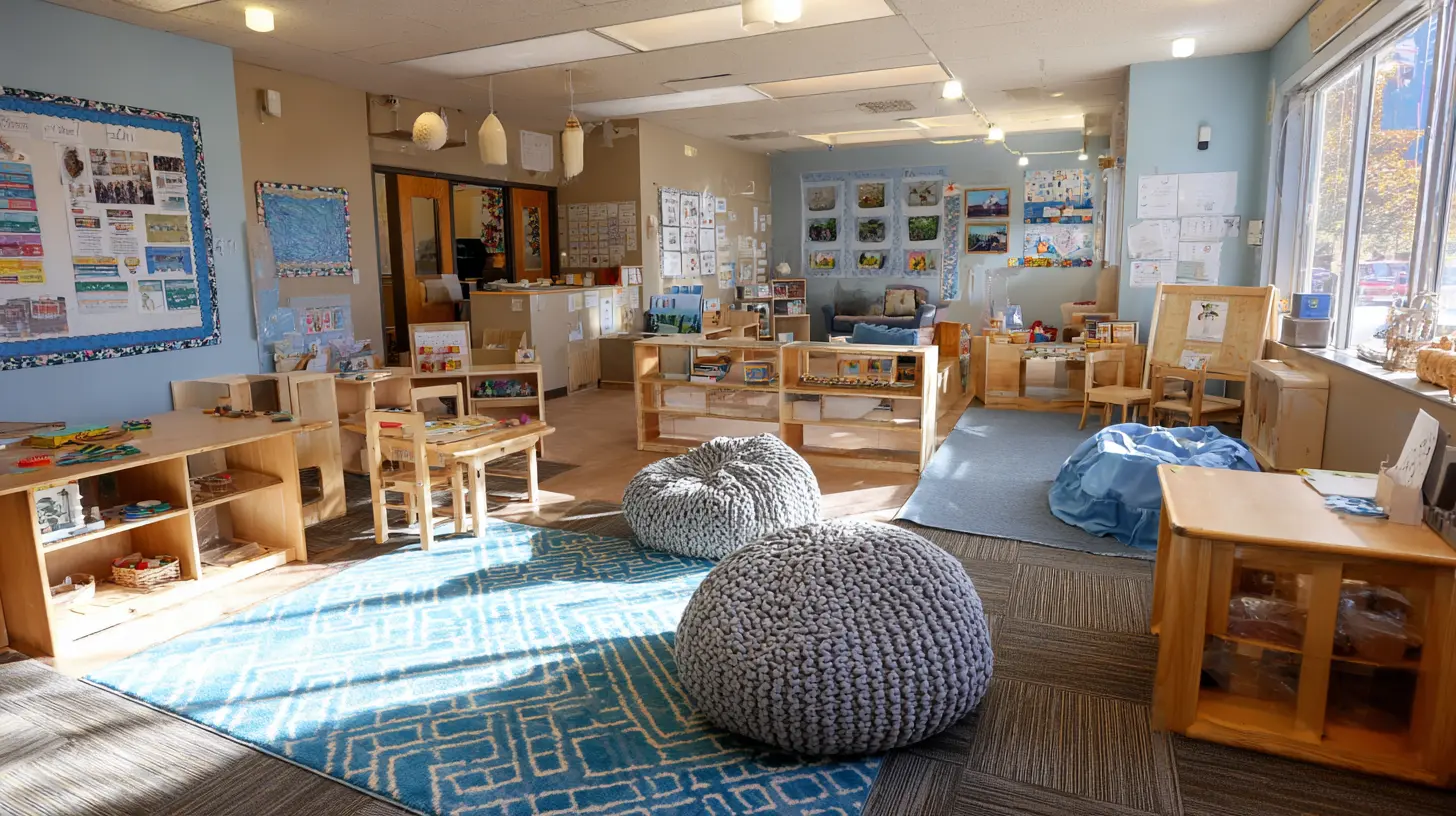
ECE learning environments vary widely, including preschools, nursery schools, daycare centers, and specialized early learning settings. These are often led by teachers or caregivers beyond the child’s family setting [1] [4] [3].
Program Structure
ECE programs can be play-based [6], or follow structured curricula such as Montessori [7] or Reggio Emilia [8]. These programs can be private, public, or federally funded [1].
Modern Relevance and Importance
Holistic Development
A child’s social, emotional, cognitive, and physical needs form the foundation for lifelong learning and well-being [2].
Academic and Social Benefits
Research shows that high-quality ECE correlates with improved school readiness, better academic performance, reduced need for special education, higher rates of high school graduation, and more positive social behaviors [4].
A Global Priority
The United Nations Sustainable Development Goal 4 highlights universal and equitable access to quality early childhood development [3].
Historical and Global Perspective
Origins and Evolution
ECE emerged as a formal discipline during the Enlightenment in Europe, aligning with the rise of literacy and universal primary education. Debates over the role of play versus academic preparation and public policy’s funding complexities persist [3].
Global Participation
As of 2023, global participation in ECE varies widely. Approximately four in ten children aged 3–4 attend early childhood education programs, with higher rates in Latin America and lower rates in sub-Saharan Africa [3].
Essential Functions of ECE Programs
Encouraging Exploration
Children are encouraged to explore colors, letters, numbers, sounds, nature, and art, nurturing their innate curiosity [1].
Developing Essential Skills
ECE programs foster *motor skills* and *social skills*, providing a strong foundation for future learning [9] [1] [2] [4].
Supporting Families
ECE programs support families by guiding children’s development and establishing strong partnerships between educators and parents [10]. This collaboration helps create positive learning environments at home and in educational settings [2] [4].
Conclusion
In conclusion, early childhood education represents a vital period in a child’s developmental journey. Encompassing a range of activities and environments, it has the potential to profoundly shape their growth and future potential. As a formally recognized field from birth to approximately age eight, ECE emphasizes nurturing well-rounded children prepared for the challenges of tomorrow. Its benefits extend beyond individual learners to society as a whole, and a commitment to expanding these programs worldwide can lead to brighter prospects for children everywhere [1] [2] [4] [3].
FAQ
Q1: What ages does early childhood education typically cover?
Early childhood education programs typically serve children from birth to around eight years old.
Q2: Why is early childhood education so important?
ECE fosters holistic development—cognitive, physical, social, and emotional—while preparing children for school and future success.
Q3: What types of settings offer ECE programs?
ECE can be provided in preschools, daycare centers, nursery schools, and specialized learning environments, each adapting unique educational approaches.
Sources
- Goodwin University – What Is Early Childhood Education?
- National University – Why Is Early Childhood Education Important?
- Wikipedia – Early Childhood Education
- American Public University – What Is Early Childhood Education and Why Is It Essential?
- BubbleBudKids – Age Appropriate Learning Goals for Early Childhood Education
- BubbleBudKids – Play-Based Learning at Home
- BubbleBudKids – Montessori Model of Education
- BubbleBudKids – Reggio Emilia Approach
- BubbleBudKids – Literacy Development in Early Childhood
- BubbleBudKids – For Parents
